The Ultimate Guide to Roof Ventilation and Insulation for Year-Round Comfort
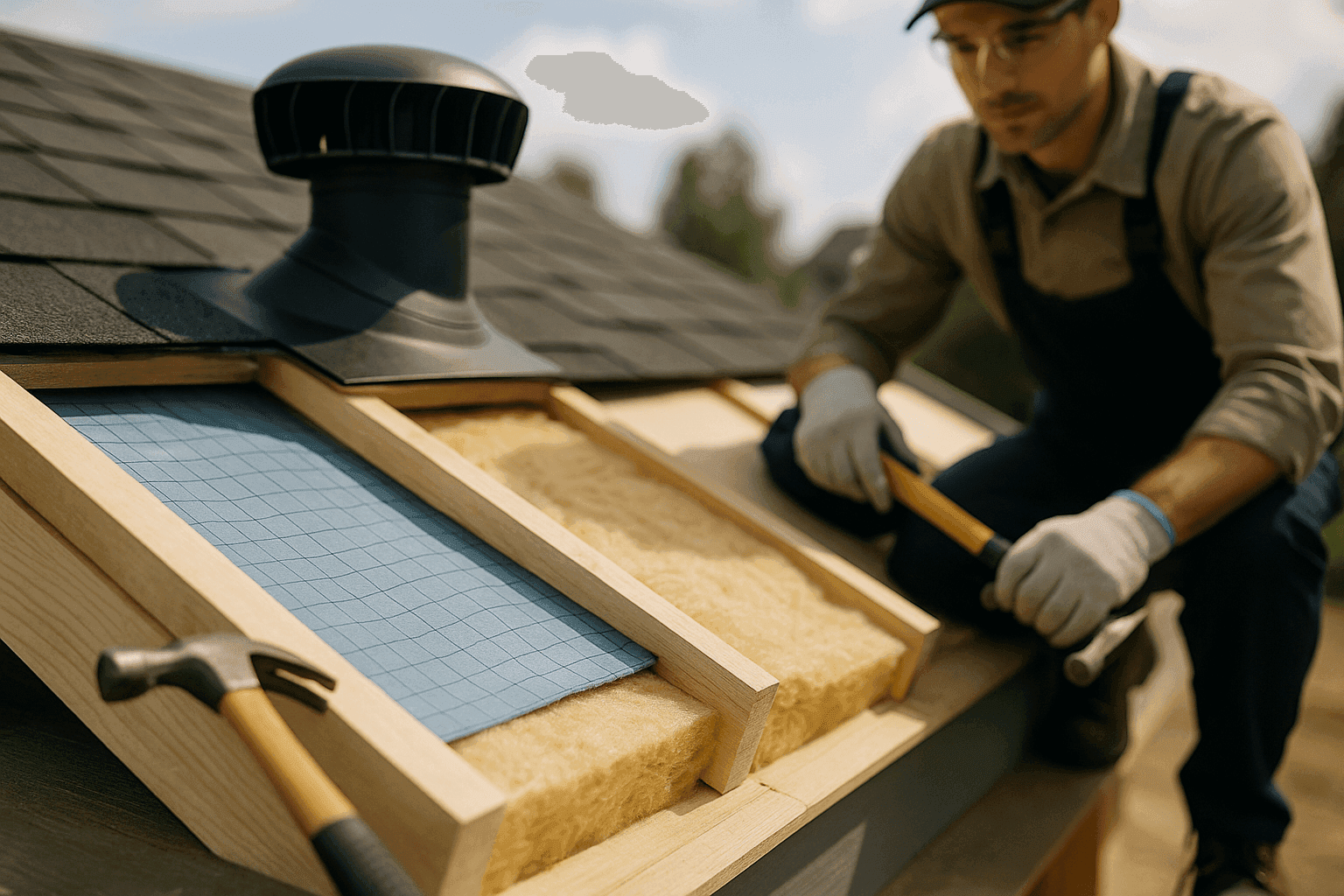
Is your home stifling in summer and chilly in winter, no matter how much you fiddle with the thermostat? Do you worry about mysterious leaks, creeping mold, or sky-high energy bills? You’re not alone. Roof ventilation and insulation are two unsung heroes that quietly shape your comfort, costs, and even your building’s health.
At Conley's Roofing, we’ve seen it all—from soggy attic insulation to ice dams that sneak in like uninvited guests. This guide breaks down what you need to know, so you can protect your investment and breathe easy all year long.
Why Roof Ventilation and Insulation Matter
Think of your roof as a giant hat for your home or business. If it’s too tight or too loose, problems creep in. Proper ventilation lets your roof “breathe,” while insulation acts like a cozy blanket, trapping warmth in winter and blocking heat in summer.
Neglecting either one is like leaving a window open during a storm. Moisture seeps in, temperatures swing, and your energy bills climb. Over time, your roof pays the price—shingles curl, wood rots, and mold finds a foothold.
The Big Benefits
- Moisture Control: Stops condensation that can lead to mold and rot.
- Ice Dam Prevention: Keeps roof temperatures steady, stopping those nasty winter ice buildups.
- Energy Efficiency: Cuts down heating and cooling costs, giving your wallet a break.
- Roof Longevity: Reduces wear and tear, so your roof lasts longer.
- Comfort: Keeps living and working spaces pleasant, no matter the season.
Spotting Trouble: Signs of Poor Ventilation or Insulation
Problems don’t always shout—they whisper. Watch for these red flags:
- Uneven temperatures between rooms or floors
- Drafts near ceilings or attic hatches
- Musty odors or visible mold in the attic
- Ice dams on the roof edge in winter
- Peeling paint or water stains on ceilings
- Excessive dust or allergy flare-ups indoors
If you spot any of these, it’s time to take action. Small issues can snowball into emergencies if ignored.
Quick Safety Checklist 🛑
Before you poke your head into the attic or climb a ladder, run through this list:
- Wear a dust mask, gloves, and protective eyewear.
- Use a sturdy ladder—never stand on the top rung.
- Avoid stepping between rafters (you could fall through the ceiling).
- Check for exposed nails, sharp edges, or animal nests.
- Never touch wiring or electrical fixtures.
- If you see mold or suspect asbestos, back out and call a professional.
Your safety comes first. Some jobs are best left to those with the right gear and training.
DIY or Call a Pro?
Some ventilation and insulation tasks are simple—others call for a steady hand and years of know-how.
When DIY Makes Sense
- Adding weatherstripping to attic hatches
- Sealing small gaps with spray foam
- Installing basic attic vents (if you’re handy and comfortable on a ladder)
When to Call Conley’s Roofing
- Insulating large attics or crawl spaces
- Dealing with mold, pests, or water damage
- Upgrading or repairing roof vents, soffits, or ridge vents
- Emergency roofing situations (leaks, storm damage, sagging roof decks)
- Any work involving electrical, structural, or complex roofing systems
Professional crews bring experience, tools, and up-to-date knowledge of building codes (see International Residential Code Section R806 for attic ventilation standards).
What Pros Do On Arrival
Curious what happens when you call in the cavalry? Here’s how Conley’s Roofing approaches ventilation and insulation:
- Thorough Inspection: We check the attic, roof surface, vents, and insulation depth. Moisture meters, infrared cameras, and good old-fashioned experience help spot hidden problems.
- Diagnosis: We’ll explain what’s working, what’s not, and why. No jargon—just plain English.
- Action Plan: Recommendations are based on your building’s age, roof type, and your comfort goals.
- Precision Work: Whether it’s adding baffles, sealing air leaks, or replacing soggy insulation, we do it right the first time.
- Cleanup: No mess left behind. We treat your property like our own.
Types of Roof Insulation and Ventilation
Not all roofs are created equal—and neither are the materials that protect them.
Common Insulation Types
- Fiberglass Batts: Affordable, easy to install, but gaps can reduce effectiveness.
- Blown-In Cellulose: Fills odd-shaped spaces, great for retrofits.
- Spray Foam: Seals air leaks and insulates at the same time, but costs more up front.
- Rigid Foam Boards: High R-value per inch, ideal for tight spaces or flat roofs.
Ventilation Options
- Ridge Vents: Run along the peak, letting hot air escape.
- Soffit Vents: Bring in cool, fresh air from the eaves.
- Gable Vents: Mounted on end walls, supplementing airflow.
- Powered Attic Fans: Force out hot air, but must be sized and installed carefully.
The right mix depends on your roof’s design, your climate, and your building’s needs.
How Ventilation and Insulation Work in Every Season
Summer: Beating the Heat
Without proper ventilation, attics turn into ovens. Temperatures can soar above 150°F. Insulation acts as a shield, slowing heat transfer into living spaces. Ventilation lets trapped hot air escape, protecting shingles and reducing AC strain.
Winter: Fighting the Freeze
Warm air rises. If it leaks into the attic, it melts snow on your roof. The runoff refreezes at the eaves, creating ice dams. Good insulation keeps heat inside where it belongs, while ventilation carries away moisture and keeps roof temperatures balanced.
Spring & Fall: Transition Seasons
These are the best times to inspect, upgrade, or repair your roof systems. Catch problems early, and you’ll avoid bigger headaches later.
Prevention & Maintenance Tips
A little attention goes a long way. Here’s how to keep your roof’s “lungs” and “blanket” in top shape:
- Inspect attic insulation every year for dampness, settling, or gaps.
- Check that soffit and ridge vents are clear of debris and nests.
- Clean gutters regularly—clogged gutters can lead to water backup and roof leaks.
- Watch for signs of condensation in the attic after heavy rain or snow.
- Schedule a professional roof inspection at least once a year.
Proactive maintenance can turn emergencies into minor repairs.
Costs & Time Factors
Every roof is different. Here’s what affects the price and timeline:
- Size and Pitch: Steep or large roofs take more time and materials.
- Access: Tight spaces or high roofs require special equipment.
- Material Choice: Spray foam costs more than fiberglass, but may save on energy in the long run.
- Existing Problems: Mold, rot, or structural repairs add to the scope.
Most insulation and ventilation upgrades take a day or two. Emergency roofing repairs may require immediate attention, but thorough fixes can take longer. Investing now can save thousands later.
When It’s an Emergency 🚨
Sudden leaks, sagging ceilings, or visible mold growth? That’s an emergency. These problems can quickly damage your home’s structure, ruin belongings, and create health risks.
Call for emergency roofing help if you notice:
- Water dripping from the ceiling or light fixtures
- Large sections of missing or damaged shingles
- Rapid temperature swings indoors after a storm
- Strong musty odors or visible fungus
Don’t wait. The faster you act, the less damage you’ll face.
FAQ: Roof Ventilation & Insulation
How much insulation do I need in my attic?
Building codes (like those from the International Code Council) recommend at least R-38 for most attics, but your needs may vary. More insulation can boost comfort and savings.
Can I add new insulation over old?
Usually, yes—if the old insulation is dry and mold-free. If it’s wet, compressed, or contaminated, it should be removed first.
Will roof ventilation make my home colder in winter?
No. Proper ventilation removes moisture, not heat. Insulation keeps warmth inside, while ventilation prevents condensation and ice dams.
How often should I have my roof inspected?
At least once a year, and after any major storm. Preventative inspections catch small issues before they become emergencies.
Special Considerations for Homes and Businesses
No two buildings are the same. A small bungalow, a sprawling ranch, or a busy storefront—each brings unique challenges.
- Historic Buildings: May need special materials or techniques to preserve character.
- Flat Roofs: Often require different venting strategies and insulation types.
- Skylights and Chimneys: Can be sources of leaks or heat loss if not sealed and flashed correctly.
- Commercial Spaces: May have larger attics, more complex ductwork, or unique energy demands.
Conley’s Roofing handles everything from new construction to emergency roofing, always following industry best practices and safety standards.
Ready for year-round comfort and peace of mind? Whether you need a quick inspection, emergency roofing, or a full upgrade, our team is here to help.
Call Conley's Roofing now — or reach us anytime at 1-877-278-2688 .