How to Prepare Your Roof for Winter Storms: A Homeowner’s Guide
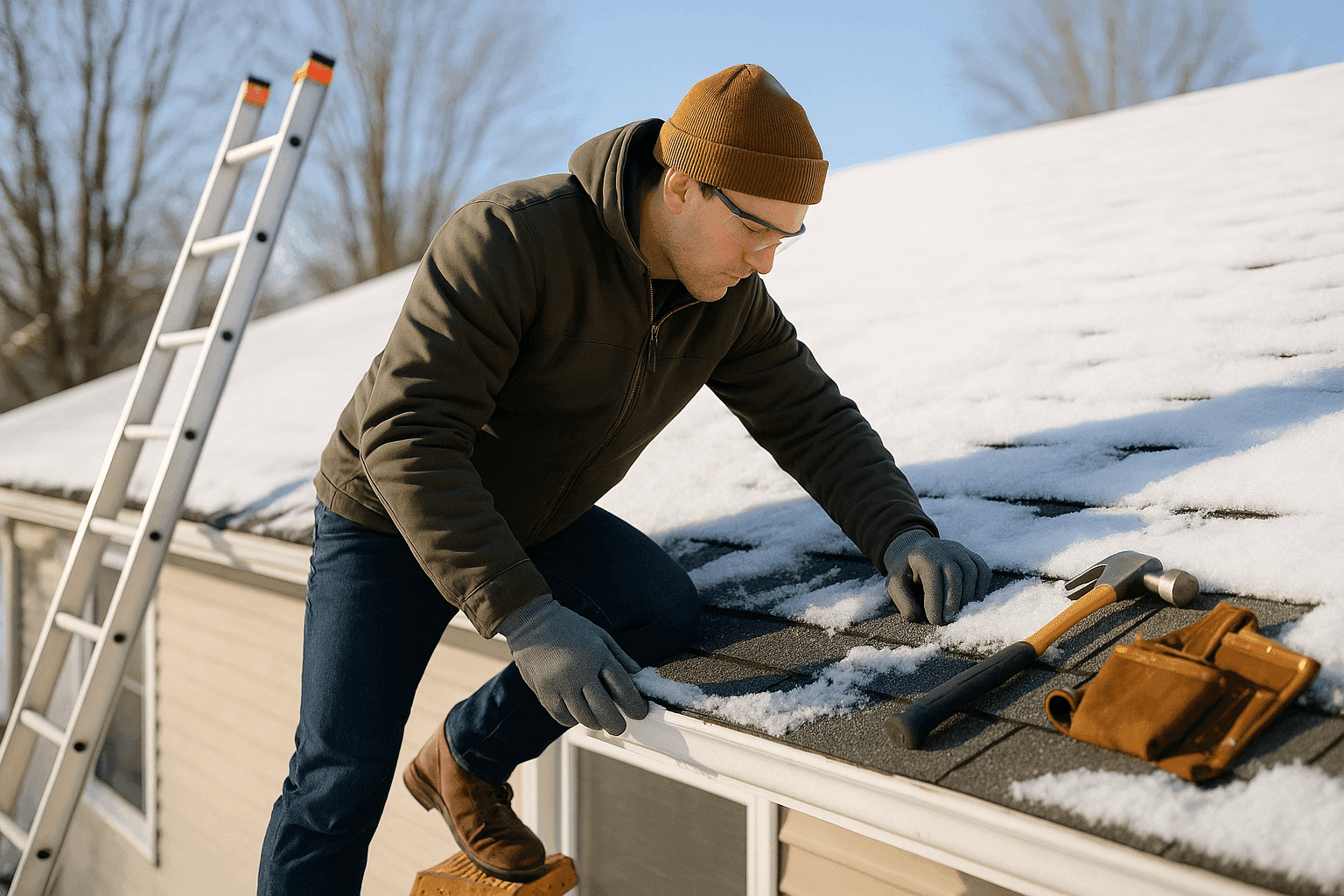
Winter storms don’t wait for anyone. The snow piles up, the wind howls, and suddenly you’re scrambling with buckets and towels. At Conley’s Roofing, we’ve seen it all. We know how a little preparation now can save you from frantic emergency roofing calls later.
Your roof is your home’s helmet. Treat it right, and it’ll protect you through the worst blizzards. Here’s how to get ahead before winter hits hard.
The Real Risks: What Winter Throws at Your Roof ❄️
Winter isn’t just about snowflakes and cocoa. It’s a season full of roofing headaches:
- Ice dams: Snow melts, refreezes at the eaves, and forms a dam that pushes water under shingles. Suddenly, you’ve got leaks.
- Heavy snow load: Wet, heavy snow can stress your roof’s structure. Too much weight risks sagging or even collapse.
- Freeze-thaw cycles: Water sneaks into small cracks, freezes, and expands. Over time, it pries apart shingles and flashing.
- Wind-driven rain and snow: Strong gusts force moisture under your roof’s defenses, leading to hidden leaks.
According to the International Association of Certified Home Inspectors (InterNACHI), winter accounts for a spike in emergency roofing calls—often preventable with early action.
Quick Safety Checklist Before You Start
Before you grab a ladder, pause. Safety first:
- Inspect from the ground with binoculars before climbing.
- Wear rubber-soled shoes for traction on ladders.
- Never work alone—have someone spot you.
- Watch for icy, wet, or unstable surfaces.
- Don’t attempt steep or high roofs without proper equipment.
If in doubt, call a professional. Falls are a leading cause of home repair injuries, says the Occupational Safety and Health Administration (OSHA).
Inspecting and Repairing Shingles: The First Line of Defense
Think of shingles as your roof’s armor. One missing piece and trouble gets in. Here’s how to check:
What to Look For
- Cracked, curled, or missing shingles—especially near edges, valleys, and chimneys.
- Loose nails or fasteners poking up.
- Granule loss—bald spots on shingles mean they’re wearing thin.
Quick Fixes
- Replace missing or broken shingles.
- Reseal loose edges with roofing cement.
- Hammer down popped nails and cover with sealant.
If you spot widespread damage, don’t wait. Emergency roofing repairs are more expensive and stressful in the middle of a storm.
Clearing Gutters and Downspouts: Keeping Water Moving
Clogged gutters are like blocked arteries for your home. Water backs up, freezes, and you get ice dams.
How to Clear Them
- Scoop out leaves, twigs, and debris by hand or with a gutter scoop.
- Flush gutters and downspouts with a hose to check for blockages.
- Make sure downspouts direct water at least 3 feet away from your foundation.
Don’t forget to check for loose or sagging sections. Secure them before snow adds extra weight.
Enhancing Ventilation and Insulation: The Secret Sauce
A warm attic melts snow on your roof, but cold eaves refreeze it—hello, ice dams. The trick? Balance.
What to Do
- Check attic insulation: The U.S. Department of Energy recommends at least R-38 insulation in attics for most homes.
- Inspect for blocked vents: Make sure soffit and ridge vents are clear of insulation, dust, or nests.
- Seal attic air leaks: Use caulk or expanding foam around pipes, ducts, and wiring holes.
Proper ventilation and insulation keep your attic cold, your roof dry, and your energy bills lower.
Applying Sealants and Coatings: Extra Protection
Think of sealants as a raincoat for your roof. They help keep water out during the wildest winter weather.
Where to Apply
- Around chimneys, skylights, and vent pipes (flashing areas)
- At roof valleys and joints
- Over exposed nail heads
Use products rated for cold-weather flexibility. Follow manufacturer instructions for best results.
DIY or Call a Pro? Knowing Your Limits
Some tasks are safe for handy homeowners. Others aren’t worth the risk.
Good for DIY
- Cleaning gutters (if accessible)
- Inspecting from the ground
- Replacing a few shingles on a low, walkable roof
Call Conley’s Roofing For
- Steep, high, or complex roofs
- Widespread shingle or flashing damage
- Structural concerns (sagging, bowing)
- Persistent leaks or water stains inside
A professional eye can spot issues you might miss. Plus, we’re trained to work safely in tough conditions.
What the Pros Do On Arrival
When you call for emergency roofing or a pre-winter inspection, here’s what to expect:
- Comprehensive roof and attic inspection: We check shingles, flashing, gutters, and ventilation.
- Thermal imaging: To find hidden leaks or insulation gaps.
- Structural assessment: Looking for signs of sagging or compromised decking.
- Written report: Detailing what’s good, what needs work, and what’s urgent.
We use industry guidelines like those from the National Roofing Contractors Association (NRCA) to ensure every inspection is thorough.
Prevention & Maintenance: The Year-Round Edge
Winter prep isn’t a one-and-done job. Regular maintenance keeps your roof strong for every season.
Maintenance Checklist
- Schedule annual inspections—fall is ideal.
- Clean gutters every spring and fall.
- Trim overhanging branches to prevent damage from falling limbs.
- Check attic insulation and ventilation twice a year.
- Look for early warning signs after big storms.
A little attention now prevents emergency roofing headaches later.
Costs & Time Factors: What to Expect
Roof work isn’t one-size-fits-all. Here’s what affects the price and timeline:
- Size and pitch of your roof: Steeper or larger roofs take longer and cost more.
- Extent of repairs: Minor shingle fixes are quick; structural repairs or replacements take days.
- Materials used: Metal, tile, or specialty coatings can change costs.
- Weather delays: Winter storms can slow down work.
Simple inspections or gutter cleanings may take a few hours. Larger repairs or replacements could stretch several days, especially if weather interrupts.
When It’s an Emergency
Sometimes, you can’t wait. Signs you need emergency roofing help right away:
- Water actively dripping inside your home or business
- Large sections of missing shingles or visible roof deck
- Sagging or buckling roof lines
- Ice dams causing attic leaks
- Storm damage (fallen branches, wind-torn sections)
Don’t risk your safety. If water is pouring in or your roof looks unstable, get everyone out and call for help.
FAQ: Winter Roofing Questions Answered
How often should I inspect my roof before winter?
Ideally, inspect your roof every fall and after any major storm. Even a quick look from the ground can catch early warning signs.
What are the first signs of ice dam problems?
Look for icicles hanging from eaves, water stains on ceilings, or damp attic insulation. These mean water is getting where it shouldn’t.
Can I remove snow from my roof myself?
For single-story, low-pitch roofs, you can use a roof rake from the ground. Never climb onto a snowy or icy roof—leave that to professionals.
How do I know if my attic insulation is enough?
Check the depth—most homes need at least 12–14 inches of insulation. If you can see the joists, you need more.
Special Considerations for Winter Roofing
- Flat roofs: Need extra attention—snow and ice don’t slide off, increasing risk of leaks.
- Metal roofs: Shed snow quickly but need secure flashing and snow guards.
- Older homes: May lack proper insulation or ventilation—upgrades are worth the investment.
- Skylights and chimneys: Common leak spots; check seals and flashing before winter.
Always follow local building codes and manufacturer instructions for materials and repairs.
Winter storms are tough on roofs, but a little preparation goes a long way. Schedule your inspection or maintenance with Conley’s Roofing now—before the snow flies.
Call Conley's Roofing now — or reach us anytime at 1-877-278-2688 .