How to Extend Your Roof’s Lifespan: Essential Maintenance Tips
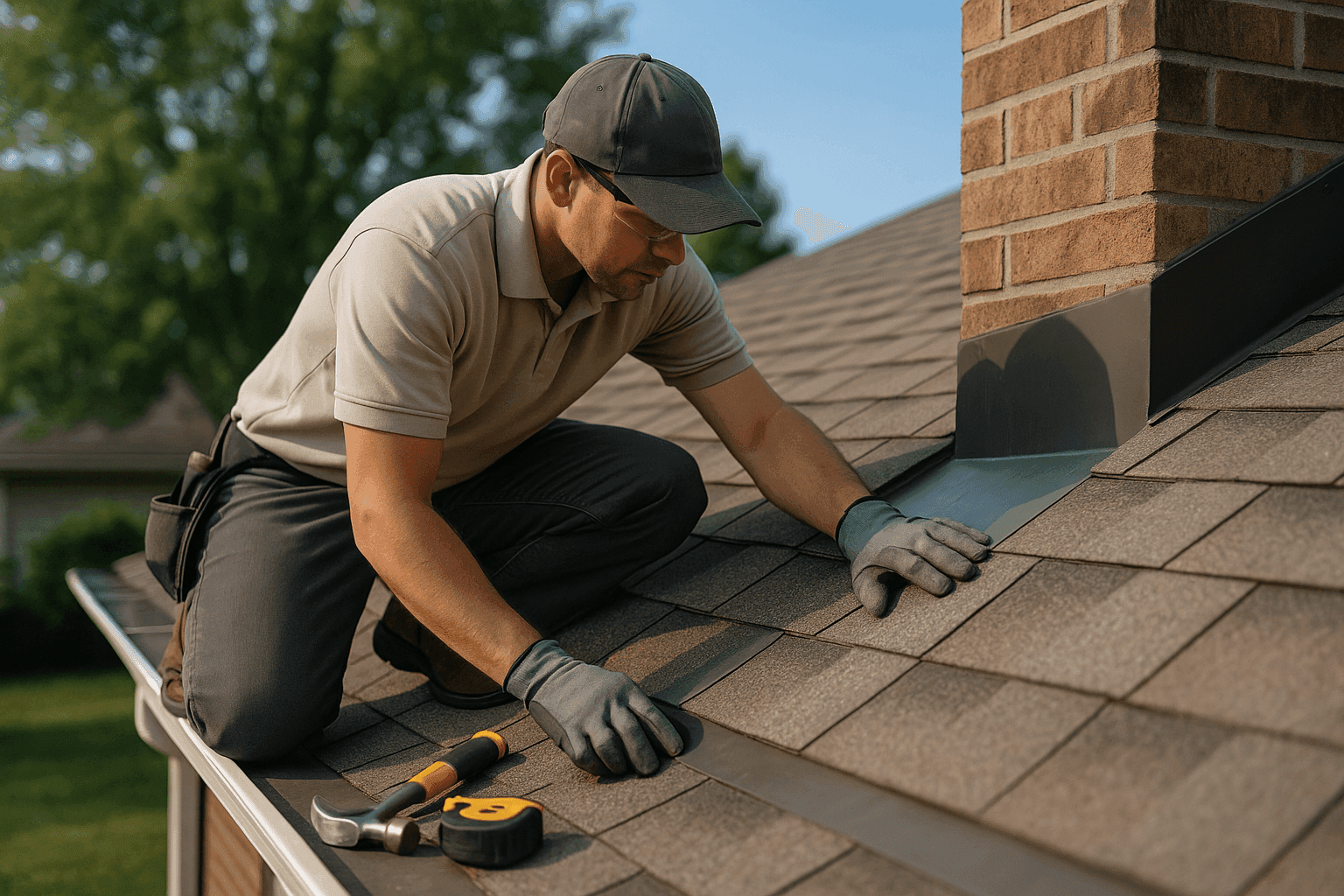
Is your roof quietly aging above your head? You might not notice small problems—until a storm rolls in and suddenly you’re searching for emergency roofing help. At Conley’s Roofing, we see firsthand how a little attention can save you from big headaches.
Roofs don’t last forever. But with the right care, you can keep yours strong, safe, and leak-free for years to come. Let’s break down how.
Understanding Your Roof: What Type Do You Have?
Every roof has its own personality. Some are tough and rugged, like metal roofs that shrug off hail. Others, like shingle or tile, need a gentler touch. Here’s how maintenance needs shift depending on your roof:
- Shingle Roofing: Asphalt shingles are common and affordable, but they can curl, crack, or lose granules. Check them after storms.
- Tile Roofing: Beautiful and durable, but tiles can break if walked on or hit by debris.
- Metal Roofing: Long-lasting and low-maintenance, but seams and fasteners need regular checks for leaks.
- Flat Roofs: Prone to pooling water. Watch for signs of ponding or membrane blisters.
- Commercial Roofs: Larger surface, more seams, and often more complex drainage systems.
No matter your roof type, regular inspections and quick repairs are the secret sauce to longevity.
Quick Safety Checklist Before You Start 🦺
Before you climb a ladder or grab a flashlight, pause and think safety. Roofs can be slippery and unpredictable. Here’s what to check:
- Wear non-slip shoes and use a sturdy ladder on level ground.
- Never work on the roof in wet, icy, or windy conditions.
- Use a safety harness if you must get on the roof.
- Keep someone nearby to spot and assist.
- Watch for overhead wires and loose shingles.
If you’re unsure, call a professional. Your safety comes first.
DIY or Call a Pro? Knowing Your Limits
Some tasks are perfect for a weekend warrior. Others? Not so much. Here’s a quick way to decide:
DIY-Friendly Tasks:
- Cleaning gutters and downspouts.
- Checking for missing or loose shingles from the ground.
- Removing debris like branches or leaves.
- Inspecting attic for signs of leaks or mold.
Call a Pro For:
- Leak repairs and emergency roofing situations.
- Structural repairs and flashing issues.
- Skylight, chimney, or cap work.
- Metal, tile, or flat roof repairs.
Remember: It’s like fixing a car. Changing the oil? Sure. Replacing the transmission? Best left to the mechanics.
What Professionals Do When They Arrive
When Conley’s Roofing arrives, we don’t just glance at your roof—we dig deep. Here’s what our team focuses on:
- Full Roof Inspection: We check for missing shingles, cracked tiles, rusted flashings, and soft spots.
- Gutter & Downspout Check: Clogged gutters can turn a drizzle into a disaster. We clear blockages and check for leaks.
- Flashing & Sealant Review: Flashing around chimneys, skylights, and vents is a common leak point. We reseal and repair as needed.
- Attic & Insulation Assessment: Poor ventilation or insulation can cook your roof from the inside out.
- Moisture & Mold Detection: Hidden leaks lead to mold and rot. We use moisture meters and trained eyes.
- Storm Damage Survey: Hail, wind, or fallen limbs? We document and advise on next steps.
Our approach follows guidelines from the National Roofing Contractors Association (NRCA) and Occupational Safety and Health Administration (OSHA) for safety and quality.
Prevention & Maintenance: The Real Roof Saver
A little prevention goes a long way. Think of roof maintenance like brushing your teeth—it’s the small, regular habits that stop big problems.
Seasonal Maintenance Checklist
Spring:
- Clear winter debris from gutters and roof surface.
- Check for missing shingles or tiles.
- Inspect attic for leaks or signs of moisture.
- Look for cracked caulk or rusted flashing.
Summer:
- Trim overhanging branches to prevent damage.
- Check for blistering or warped shingles in the heat.
- Inspect ventilation and insulation for efficiency.
Fall:
- Clean gutters and downspouts before leaves pile up.
- Inspect roof for storm or wind damage.
- Apply sealants or coatings if needed, especially on flat roofs.
Winter:
- Remove heavy snow buildup to prevent ice dams.
- Check attic insulation to keep heat in and moisture out.
- Watch for icicles and ice dams at the roof edge.
Key Maintenance Tips
- Gutter Cleaning: Clogged gutters are a roof’s worst enemy. Clean them at least twice a year.
- Flashing Inspection: Flashing is like the zipper on a jacket—if it fails, water gets in.
- Sealants & Coatings: These add a waterproof layer, especially important for flat and metal roofs.
- Ventilation & Insulation: Good airflow in your attic keeps your roof cool and dry, preventing rot and mold.
- Downspout Care: Make sure water flows away from your foundation.
Costs & Time Factors: What to Expect
Roof maintenance doesn’t have to break the bank—or eat up your weekends. Here’s what to keep in mind:
- Time: A basic inspection and gutter cleaning might take a few hours. More complex repairs or full inspections can take a day.
- Costs: Simple maintenance (like cleaning gutters) is affordable. Major repairs or emergency roofing services cost more, especially if damage has spread.
- Frequency: Plan for a professional inspection once a year, and after major storms.
Investing a little time and money now can save you thousands down the road.
When It’s an Emergency: Act Fast, Stay Safe 🚨
Sometimes, problems can’t wait. If you notice:
- Water dripping from your ceiling.
- Sagging spots or bulging on the roof.
- Shingles or tiles scattered in your yard after a storm.
- Sudden mold or mildew smells in your attic.
Don’t wait. Emergency roofing services can prevent further damage and protect your property. If it’s safe, contain leaks with buckets or tarps until help arrives.
Frequently Asked Questions
How often should I have my roof inspected?
Most roofs benefit from a professional inspection once a year, plus after severe weather events.
What’s the biggest cause of roof leaks?
Clogged gutters and damaged flashing are the top culprits. Regular cleaning and inspections can prevent most leaks.
Can I walk on my roof to check for damage?
It’s risky—especially on tile, metal, or steep roofs. Use binoculars from the ground, or call a professional if you need a closer look.
How does attic ventilation affect my roof?
Proper ventilation keeps your attic cool and dry, preventing heat buildup, rot, and ice dams. It’s a hidden hero in roof health.
Special Considerations for Roof Maintenance
- Eco-Friendly Options: Consider cool roof coatings or recycled materials for repairs or replacements.
- New Construction: If you’re building, invest in quality materials and proper installation from the start.
- Older Roofs: Older roofs may need more frequent inspections and careful repairs.
- Storm Damage: Document all damage for insurance and call for emergency roofing help if needed.
Taking care of your roof isn’t just about avoiding leaks—it’s about protecting your investment and your peace of mind. Whether you’re a homeowner or a small business owner, regular maintenance is the key to a long-lasting, trouble-free roof.
Call Conley's Roofing now — or reach us anytime at 1-877-278-2688 .