The Complete Guide to Eco-Friendly Roofing Options for Your Home or Business
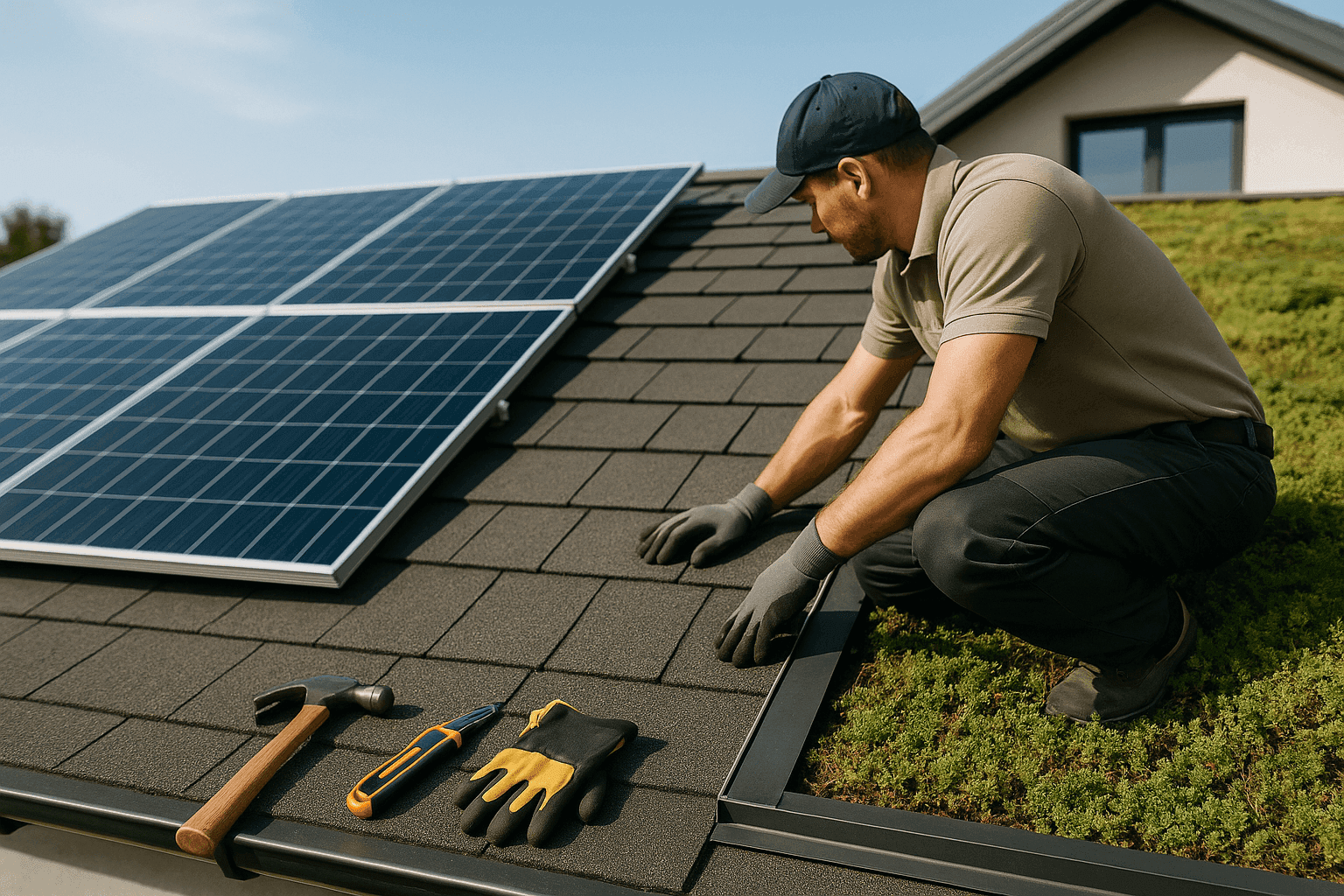
Is your roof costing you more than it should? Not just in repairs, but in wasted energy and missed opportunities to help the planet. At Conley's Roofing, we know the pressure homeowners and business owners feel when it's time for a new roof—or when an emergency roofing situation demands quick action.
You want something strong, reliable, and built to last. But what if your next roof could also make your property greener, cooler, and more valuable for years to come? Let’s explore how eco-friendly roofing options can transform your space, save you money, and support a healthier world.
Benefits of Eco-Friendly Roofing 🌱
Choosing a sustainable roof isn’t just about keeping up with trends. It’s about making a meaningful impact on your comfort, wallet, and the environment. Here’s what you gain:
- Lower Energy Bills: Eco-friendly roofs often reflect sunlight or provide extra insulation, keeping your building cooler in summer and warmer in winter.
- Longer Lifespan: Many green materials—like metal or tile—outlast traditional shingles, meaning fewer replacements and less waste.
- Smaller Carbon Footprint: Sustainable roofing options use recycled or renewable materials, reducing demand for new resources.
- Healthier Indoor Air: Some eco-roofs help regulate humidity and temperature, improving indoor air quality.
- Boosted Property Value: Energy-efficient upgrades can make your property more attractive to buyers and tenants.
How Eco Roofing Improves Energy Efficiency
Think of your roof as your building’s hat. A good one shields you from the elements and keeps the heat in (or out) where it belongs. Reflective metal roofs, green roofs with living plants, and insulated tile roofs all work like a thermal blanket—blocking harsh sun and locking in comfort. According to the U.S. Department of Energy, cool roofs can lower roof surface temperature by up to 50°F, slashing your air conditioning costs and reducing wear on your HVAC system.
Popular Sustainable Roofing Materials
Not all roofs are created equal. When it comes to eco-friendly choices, here’s what’s on the table:
Metal Roofing
Metal roofs are like the marathon runners of the roofing world. They last 40–70 years, shrug off storms, and are often made from recycled steel or aluminum. Their reflective surfaces bounce sunlight away, cutting cooling needs. And when they finally retire, they’re 100% recyclable.
Tile Roofing
Clay and concrete tiles have been trusted for centuries. They’re heavy, durable, and naturally insulating. Modern tile roofs can be made with recycled content and come in a rainbow of colors to match any style. Plus, their natural breathability helps regulate temperature.
Green (Living) Roofs
Imagine a garden on your roof. Green roofs use layers of soil and plants to soak up rainwater, filter air, and provide natural insulation. They’re perfect for flat or gently sloped roofs. While they require careful planning and extra support, the payoff is a living, breathing shield over your home or business.
Cool Roof Shingles
Cool roof shingles are specially engineered to reflect more sunlight than standard shingles. They’re available in asphalt, composite, and other materials. The result? Lower surface temperatures and less strain on your air conditioning.
Rubber and Synthetic Roofs
Made from recycled tires or other rubber products, these roofs are tough, flexible, and resistant to harsh weather. They’re a smart choice for flat or low-slope roofs and help keep old materials out of landfills.
Solar Roofing Options
Solar panels or solar shingles can be integrated with many eco-friendly roofs. They turn sunlight into electricity, shrinking your utility bills and your environmental impact. While upfront costs can be higher, incentives and energy savings make solar a compelling option.
Choosing the Right Eco Material for Your Property
Every building is unique. Here’s how to pick the best fit:
- Climate: Metal reflects heat in sunny climates, while tile and green roofs offer extra insulation in variable weather.
- Roof Slope: Green roofs work best on flat surfaces; shingles and metal suit steeper pitches.
- Budget: Upfront costs vary, but remember to factor in long-term savings and durability.
- Building Codes: Always check local codes and fire safety standards (see National Roofing Contractors Association guidelines) before installation.
Installation and Maintenance Tips
A sustainable roof is only as good as its installation and care. Here’s how to get the most from your investment.
- Hire Certified Installers: Look for roofing professionals with training in eco-friendly systems. Conley’s Roofing follows industry best practices and stays up-to-date on the latest standards.
- Proper Ventilation & Insulation: Good airflow and insulation keep your roof healthy and efficient. This is especially important for green and tile roofs.
- Quality Flashing and Sealants: These keep water out and extend your roof’s life. Eco-friendly sealants are available that are low-VOC and safe for the environment.
- Routine Inspections: Schedule regular checkups, especially after severe weather. Early detection of leaks, cracks, or plant overgrowth keeps small problems from becoming big headaches.
Preventative Maintenance for Longevity
Think of roof maintenance like brushing your teeth. Small, regular actions prevent costly repairs down the road:
- Clear gutters and downspouts to avoid water damage.
- Trim overhanging branches to reduce debris and shade.
- Check for damaged or missing shingles, tiles, or metal panels.
- Inspect skylights, chimneys, and flashing for leaks.
- For green roofs, monitor plant health and irrigation systems.
Cost Considerations and Savings 💡
Eco-friendly roofing can feel like a big investment up front. But let’s break it down:
- Material Costs: Metal and tile can cost more initially, but their long lifespan means fewer replacements.
- Energy Savings: Reflective and insulated roofs lower heating and cooling bills, often paying for themselves over time.
- Insurance Discounts: Some insurers offer lower rates for impact-resistant or fire-rated eco roofs.
- Incentives: Tax credits and rebates may be available for solar or energy-efficient roofing—check with the U.S. Department of Energy or your local utility.
Remember, the cheapest option isn’t always the best value. Consider lifespan, maintenance, and energy savings when making your decision.
Installation and Maintenance Tips
A sustainable roof is only as good as its installation and care. Here’s how to get the most from your investment.
- Hire Certified Installers: Look for roofing professionals with training in eco-friendly systems. Conley’s Roofing follows industry best practices and stays up-to-date on the latest standards.
- Proper Ventilation & Insulation: Good airflow and insulation keep your roof healthy and efficient. This is especially important for green and tile roofs.
- Quality Flashing and Sealants: These keep water out and extend your roof’s life. Eco-friendly sealants are available that are low-VOC and safe for the environment.
- Routine Inspections: Schedule regular checkups, especially after severe weather. Early detection of leaks, cracks, or plant overgrowth keeps small problems from becoming big headaches.
Preventative Maintenance for Longevity
Think of roof maintenance like brushing your teeth. Small, regular actions prevent costly repairs down the road:
- Clear gutters and downspouts to avoid water damage.
- Trim overhanging branches to reduce debris and shade.
- Check for damaged or missing shingles, tiles, or metal panels.
- Inspect skylights, chimneys, and flashing for leaks.
- For green roofs, monitor plant health and irrigation systems.
Cost Considerations and Savings 💡
Eco-friendly roofing can feel like a big investment up front. But let’s break it down:
- Material Costs: Metal and tile can cost more initially, but their long lifespan means fewer replacements.
- Energy Savings: Reflective and insulated roofs lower heating and cooling bills, often paying for themselves over time.
- Insurance Discounts: Some insurers offer lower rates for impact-resistant or fire-rated eco roofs.
- Incentives: Tax credits and rebates may be available for solar or energy-efficient roofing—check with the U.S. Department of Energy or your local utility.
Remember, the cheapest option isn’t always the best value. Consider lifespan, maintenance, and energy savings when making your decision.
Installation and Maintenance Tips
A sustainable roof is only as good as its installation and care. Here’s how to get the most from your investment.
- Hire Certified Installers: Look for roofing professionals with training in eco-friendly systems. Conley’s Roofing follows industry best practices and stays up-to-date on the latest standards.
- Proper Ventilation & Insulation: Good airflow and insulation keep your roof healthy and efficient. This is especially important for green and tile roofs.
- Quality Flashing and Sealants: These keep water out and extend your roof’s life. Eco-friendly sealants are available that are low-VOC and safe for the environment.
- Routine Inspections: Schedule regular checkups, especially after severe weather. Early detection of leaks, cracks, or plant overgrowth keeps small problems from becoming big headaches.
Preventative Maintenance for Longevity
Think of roof maintenance like brushing your teeth. Small, regular actions prevent costly repairs down the road:
- Clear gutters and downspouts to avoid water damage.
- Trim overhanging branches to reduce debris and shade.
- Check for damaged or missing shingles, tiles, or metal panels.
- Inspect skylights, chimneys, and flashing for leaks.
- For green roofs, monitor plant health and irrigation systems.
Cost Considerations and Savings 💡
Eco-friendly roofing can feel like a big investment up front. But let’s break it down:
- Material Costs: Metal and tile can cost more initially, but their long lifespan means fewer replacements.
- Energy Savings: Reflective and insulated roofs lower heating and cooling bills, often paying for themselves over time.
- Insurance Discounts: Some insurers offer lower rates for impact-resistant or fire-rated eco roofs.
- Incentives: Tax credits and rebates may be available for solar or energy-efficient roofing—check with the U.S. Department of Energy or your local utility.
Remember, the cheapest option isn’t always the best value. Consider lifespan, maintenance, and energy savings when making your decision.
When It’s an Emergency
Sometimes, nature doesn’t wait for your schedule. Storms, leaks, or fallen branches can turn roofing into an urgent situation. Eco-friendly roofs are tough, but like any system, they need quick attention if damaged.
If you experience a roofing emergency:
- Stay safe. Don’t climb up yourself during a storm or if you suspect structural damage.
- Call a professional emergency roofing service like Conley’s Roofing.
- Take photos for insurance if it’s safe to do so.
- Move valuables away from leaks or water entry points.
Fast action can prevent small problems from turning into big repairs—especially with living roofs or solar systems, where water intrusion can damage both structure and equipment.
FAQ
Are eco-friendly roofs more expensive than traditional roofs?
Upfront, yes—sometimes. But over time, savings on energy bills, maintenance, and replacements often outweigh the initial investment.
How long do sustainable roofing materials last?
Metal and tile roofs can last 40–70 years or more. Green roofs, with proper care, can last decades. Maintenance is key.
Can eco-friendly roofs handle severe weather?
Absolutely. Many sustainable materials are tested to meet or exceed industry standards for wind, hail, and fire resistance.
Do I need special maintenance for a green or solar roof?
Green roofs need plant care and irrigation checks. Solar roofs require occasional panel cleaning and inspection. Conley’s Roofing can help with both.
Special Considerations for Eco-Friendly Roofing
- Weight: Tile and green roofs are heavier than standard shingles. Your building may need reinforcement.
- Permits and Codes: Always check with local building authorities. Some eco-roofs require special permits.
- Fire Safety: Choose fire-rated materials and follow National Roofing Contractors Association guidelines.
- Professional Installation: Eco-friendly roofs require specific skills and experience. Don’t cut corners—choose a team with proven expertise.
Ready to make your home or business greener, safer, and more efficient? Call Conley's Roofing now — or reach us anytime at 1-877-278-2688 .